Key Takeaways
- DFW recycling centers ease pressure on limited landfill space, so correct sorting and smart drop-offs directly support long-term sustainability.
- Dallas and Fort Worth both offer curbside and drop-off options; always confirm accepted items before visiting, especially for electronics, appliances, and tires.
- Fort Worth’s four Drop-Off Stations accept recyclables and many special items—electronics, scrap metal, secure paper shredding, and clean Styrofoam—under posted city rules.
- Dallas provides weekly curbside recycling and citywide community drop-off sites that accept a broad set of commingled materials, including glass.
- Contamination such as bagged items, food residue, and tanglers can ruin entire loads; follow simple preparation steps to keep recycling effective.
- Electronics, batteries, paint, and chemicals need special handling; use city programs or certified specialty recyclers rather than curbside carts.
- DFW recycling centers form a key link in the region’s circular economy, connecting residents and businesses to reliable material recovery.
DFW recycling centers keep North Texas materials moving back into production instead of piling up in landfills. Today, Dallas and Fort Worth residents have more recycling options than ever before, but knowing where to take different materials isn’t always straightforward. While curbside programs handle many everyday items, other materials require drop-off at specific locations with certain equipment and acceptance policies.
However, whether you manage a multi-family community, run a warehouse, or coordinate sustainability for a school district, you have options available to you. From cardboard and metals to electronics and yard waste, there are many recycling centers in Fort Worth and the surrounding area, and with companies like Fusion Waste & Recycling nearby, you can safely dispose of almost any material.
Why Recycling Is Important in the DFW Area
North Texas is growing fast, and the waste stream is growing with it. The North Central Texas region disposed of roughly 11.8 million tons of waste in 2024, with 22 active landfills estimated to have about 37 years of capacity at current rates. Fort Worth generated about 374,000 tons of waste in 2025 and expects continued population growth, while its city landfill could reach maximum capacity by 2036.
Reducing Landfill Waste
Recycling is a direct way to cut the volume sent to landfills. In Fort Worth, about 41,000 tons of recyclable material were still thrown away as trash, but that’s nearly one-fifth of what could have been diverted. DFW recycling centers reconnect “waste” to manufacturing by recovering cardboard, plastics, metals, glass, and organics for use in new goods. With landfill lifespan limited, every correctly sorted cart, well-prepared drop-off, and effective program buys time and reduces the need for costly new disposal infrastructure.
Environmental Benefits
When aluminum cans, cardboard boxes, and glass bottles move through DFW recycling centers, they offset new mining, logging, and quarrying, and reduce the energy needed to make future products. This means that recycling conserves raw materials, saves energy, and lowers greenhouse gas emissions. Organics recycling—like capturing food scraps—also matters because it diverts materials that can generate methane in landfills, a potent greenhouse gas. In a metro as large as Dallas–Fort Worth, these gains add up quickly.
Economic Benefits
Well-designed recycling programs support jobs and help control costs. Recycling in the Fort Worth area costs about $12.13 per ton, compared with roughly $24 per ton for landfilling—a clear signal that diversion can pay off. DFW recycling centers also support local end markets for recovered materials from paper mills, plastics reprocessors, and metal buyers, keeping dollars in North Texas.
What Can You Recycle in Dallas & Fort Worth at DFW Recycling Centers?
Most Dallas and Fort Worth programs accept core materials (such as paper, cardboard, plastics, metal cans, and glass bottles and jars) when they’re empty, mostly clean, and placed loose in the cart. However, specialty materials (such as electronics, scrap metal, and batteries) typically require specific recycling centers.
Material |
Common Examples |
Usually Accepted? |
| Paper | Office paper, newspaper, mail, magazines | Yes (keep dry; no food residue) |
| Cardboard | Shipping boxes, cereal/food boxes, boxboard | Yes (flatten; remove plastic/foam) |
| Plastic | Bottles, jugs, tubs (Dallas accepts 1–7) | Yes, if bottles/jugs/tubs; check local rules |
| Glass | Bottles and food jars (all colors) | Yes (rinsed; lids off, labels OK) |
| Aluminum | Beverage cans, clean foil, pie pans | Yes (empty/clean) |
| Steel | Food tins, aerosol cans if empty | Yes (fully empty; no pressure) |
| Electronics | Computers, TVs, tablets, servers | Not in curbside; use e-waste centers |
| Scrap Metal | Gutters, fencing, pots/pans, rebar | Not in curbside; use drop-off or metal yards |
| Appliances | Refrigerators, A/C units, washers | Not in curbside; some city drop-offs accept |
| Batteries | Household and auto batteries | Not in curbside; take to drop-off/retail |
| Paint | Latex and oil-based paint | Not in curbside; city programs only |
| Tires | Passenger vehicle tires | Not in curbside; limited drop-off acceptance |
If you’re unsure, check your city’s guidelines or use regional tools to confirm what’s accepted near you.
Types of DFW Recycling Centers
The Dallas–Fort Worth region offers many recycling options, from city-run curbside and drop-off programs to specialized private facilities. Whether you’re cleaning out a garage or coordinating a multi-site rollout, matching items to the right DFW recycling centers is essential for efficient diversion and cost control. By learning how each type works, you can choose the right destination for your materials and avoid contamination or rejected loads.
Municipal Recycling Centers
City-operated programs include curbside collection and community drop-off locations. Dallas provides weekly curbside service for single-family homes and duplexes, with community drop-off sites positioned across the city to support apartment residents and those who need extra capacity between pickups. Fort Worth also operates Drop-Off Stations that accept a broad range of materials under city guidelines, alongside a blue cart program for curbside recyclables.
Private Recycling Facilities
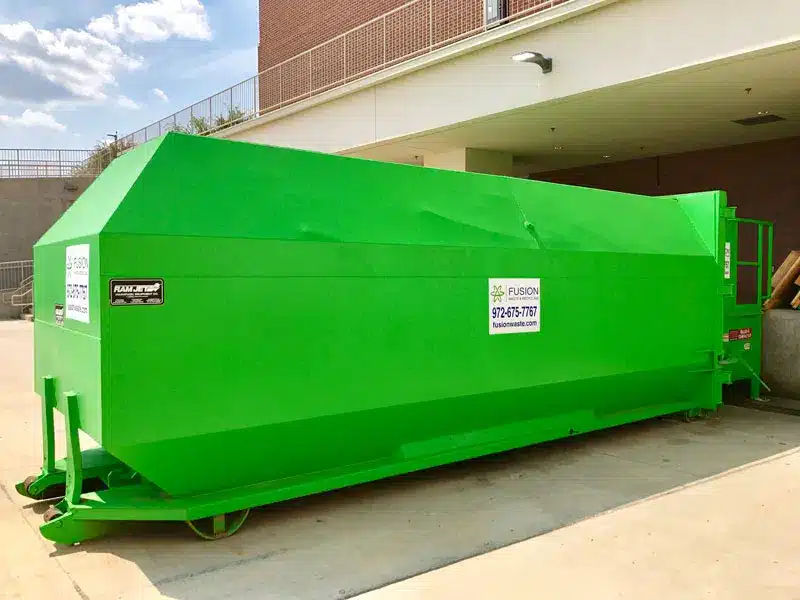
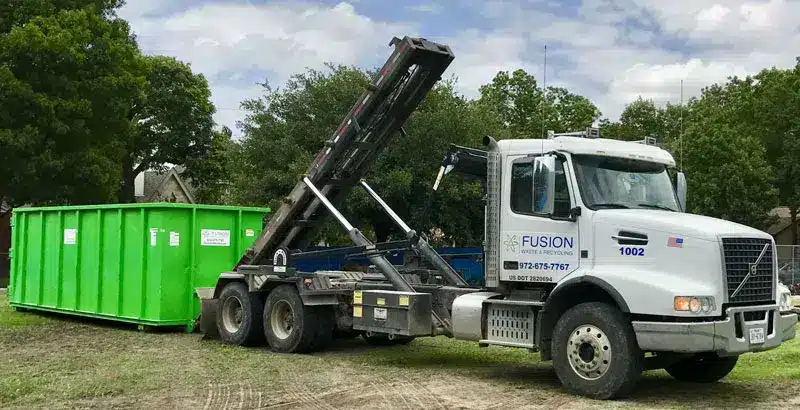
Private facilities complement municipal programs by handling commercial volumes and specialty commodities and, in some cases, offering buy-back services. In the Dallas area, commercial recyclers often provide custom programs for paper and metals, roll-off open-top containers, and walk-in buy-back options for items like office paper, cardboard, newspapers, and aluminum cans.
Many firms serving the broader DFW market offer industrial recycling bins, compactors, balers, secure document handling, and sustainability consulting. Other providers focus on hard-to-recycle items (for example, clean Styrofoam or plastic film) and food waste collection programs where municipal options are limited.
Electronics Recycling Centers
Certified electronics recyclers address the data security and specialized processing needs of devices that contain sensitive information and regulated components. Across DFW, many offer free drop-off for common items and certified data destruction, including pick-ups for businesses, schools, and institutions.
These facilities provide responsible processing and data-handling compliance for computers, servers, laptops, and other data-bearing devices. For residents, Fort Worth’s Drop-Off Stations accept limited quantities of computers and TVs, and many cities host electronics collection events or designate partners.
Recycling Centers in Dallas
The City of Dallas provides weekly residential curbside recycling for single-family homes and duplexes, supported by a network of community drop-off locations. Place your roll cart at the curb by 7 a.m. on collection day (no earlier than 6 p.m. the night before) and retrieve it by 8 a.m. the next day. Recyclables should be loose in the cart—not bagged—and cardboard must be broken down and flattened.
If you need extra capacity, Dallas allows one additional cart at no charge, with a one-time fee for any cart beyond that. For commercial and multi-family properties, the city allows either city service or an authorized private hauler.
Community Recycling Drop-Off Locations
Many Dallas community drop-off sites operate 24/7 and are designed for residents who lack curbside service (such as apartment dwellers) or who have extra material between pickups. These locations typically accept commingled recyclables, including:
- Plastics
- Aluminum and steel cans
- Milk and juice cartons
- Mixed paper
- Corrugated cardboard and boxboard
- Glass jars and bottles
Items should be empty and mostly clean, cardboard flattened, and plastic bags kept out of the mix. Before you head out, confirm the nearest location and current accepted items to save time and prevent contamination.
Transfer Stations
Transfer stations consolidate collected waste and recyclables for shipment to processing facilities or landfills. They’re not always open to the public for direct drop-off and may set specific acceptance rules or schedules. For commercial generators working with private haulers, transfer stations can streamline logistics by aggregating loads and routing materials efficiently to DFW recycling centers, materials recovery facilities (MRFs), and end markets.
Recycling Centers in Fort Worth
Fort Worth’s blue cart program and four City-operated Drop-Off Stations make recycling accessible across the city. Set your blue cart out by 7 a.m. on collection day, with the handle facing your house and the serial number facing the street, and keep the lid fully closed; overstuffed carts won’t be serviced.
Collections run Monday through Friday from 7 a.m. to 7 p.m.; report missed pickups within 24 hours via the MyFW app, 311, or by calling the city. For materials beyond curbside, the city’s Drop-Off Stations are a central part of the DFW recycling network.
City Drop-Off Stations
Fort Worth’s four Drop-Off Stations (Brennan, Southeast, Old Hemphill Road, and Hillshire) are open Tuesday through Friday from 8 a.m. to 5 p.m., and on Saturdays from 8 a.m. to 12 p.m., closing on Sundays, Mondays, and city holidays. Residents need an active solid waste account and must present a current water utility bill plus a matching driver’s license; apartment residents can use a driver’s license for recycling and approved household chemicals only.
Accepted materials include:
- Single-stream recyclables (same as the blue cart)
- Scrap metal, including:
- Gutters
- Fencing
- Rebar
- Grills
- Pots and pans
- Mailboxes
- Bulky trash
- Brush and yard waste in Kraft bags
- Passenger vehicle tires (limit of 4 per household every 6 months)
- Small home repair or remodeling waste (monthly limit)
The stations also accept appliances like refrigerators and A/C units, electronics with a limit of two every six months, drained small lawn equipment, fire extinguishers, and offer free secure paper shredding up to three boxes per visit.
Environmental Collection Center
Fort Worth’s regional Environmental Collection Center (ECC) serves participating cities as a specialized destination for materials that can’t go in curbside or standard drop-off streams, such as paints, solvents, automotive fluids, and certain chemicals. Hours, proof-of-residency requirements, and accepted items can change, so verify eligibility through your city, leave materials in original containers when instructed, and secure lids.
What Items Require Special Recycling?
Some materials can damage equipment, present safety risks, or need specialized processing. Using the correct pathway protects workers, limits contamination, and ensures valuable materials are recovered appropriately.
Electronics (E-Waste)
Electronics contain circuit boards, batteries, and data-bearing components that require secure handling. Certified e-waste recyclers across DFW offer free drop-off for many items and provide documented data destruction, which is extremely useful for businesses, schools, healthcare, and public agencies. Fort Worth Drop-Off Stations accept limited electronics, though there are quantity caps every six months. Before drop-off, back up or wipe sensitive data, remove accessories and batteries when required, and confirm the receiving facility’s preparation steps.
Batteries
Never place batteries in curbside carts, because they can start fires at sorting facilities and landfills. Fort Worth Drop-Off Stations accept both household and automotive batteries, and many retailers in DFW provide bins for rechargeable batteries under take-back programs. Scrap metal yards may offer buy-back options for automotive batteries; check current policies and pricing before visiting. To reduce risk, tape terminals on lithium batteries and store them in a cool, dry place until drop-off.
Household Chemicals and Paints
Materials such as paint, solvents, pesticides, pool treatments, and oil-based products require city or specialty handling. In Fort Worth, Drop-Off Stations accept these items within posted limits; many other DFW cities coordinate through regional facilities or dedicated city programs. Don’t pour these materials down drains, place them in curbside carts, or abandon them at sites without explicit acceptance.
Appliances
Large appliances may contain refrigerants, oils, or electronics and should go to city drop-off programs or private facilities equipped to handle them. Fort Worth Drop-Off Stations accept refrigerators and A/C units without prior refrigerant removal, but all food must be removed and units secured for transport. Other appliances—like washers and dryers—may be accepted by select private recyclers; call ahead to confirm.
Tires
Tires aren’t allowed in most curbside programs or landfills because they trap gases and can float to the surface or create fire hazards. Fort Worth Drop-Off Stations accept up to four passenger tires per household every six months, with rims removed and separated. Other DFW cities may host tire collection events or direct residents to specialized recyclers.
Materials That Should Never Go in Recycling Bins
Keeping contaminants out of the stream is one of the most effective ways to boost diversion and maintain strong end markets. Items that commonly cause problems include:
- Food-contaminated containers
- Plastic bags and film
- Garden hoses, cords, and wires
- Clothing and linens
- Styrofoam (where not specifically accepted)
- Medical waste
- Diapers
- Any liquids
These materials jam equipment, create safety hazards, or degrade commodity quality, which can lead to entire loads being landfilled. If you’re unsure about an item, check local guidelines or use a trusted regional resource; when uncertain, dispose of it in the trash to protect the recycling stream.
Residential Recycling Programs in Dallas & Fort Worth
Dallas provides weekly curbside recycling for single-family homes and duplexes, making it straightforward to divert common household materials. If you regularly overflow, you can request one additional roll cart at no charge, with a one-time fee for any extra beyond that. For apartment residents or those moving, Dallas community drop-off locations accept commingled recyclables.
Fort Worth’s blue cart program depends on correct placement and preparation. Set your cart out the night before pickup day, with the handle toward your house, the serial number toward the street, and the lid fully closed. Collections occur Monday through Friday; report missed pickups within 24 hours via the MyFW app, 311, or by phone.
Commercial Recycling Solutions
Commercial operations have diverse waste streams, tight schedules, and compliance requirements that call for flexible, data-informed programs. Whether you manage offices, distribution centers, retail, manufacturing, construction, schools, or multi-family housing, the right mix of on-site containers, training, and scheduled pickups can convert landfill costs into savings and measurable results.
Fusion Waste & Recycling is an independent, MBE-certified partner based in the DFW Metroplex area. We’re New Age Thinkers who bring a personalized, step-by-step partnership to every client, designing waste and recycling solutions that prioritize landfill diversion and clear reporting.
Our services cover a wide range of recyclable commodities, including cardboard, plastics, glass, scrap metal, e-waste, wood, organics and food waste, Styrofoam, and yard waste. We also provide confidential business document shredding and electronic waste disposal, integrating chain-of-custody documentation and sustainability reporting to support environmental, social, and governance (ESG) goals.
Preparing Items Before Recycling
Proper preparation keeps recycling efficient, safe, and marketable. Clean, dry, and correctly sorted items reduce contamination and increase the value of recovered materials, turning your effort into real landfill diversion. It helps to:
- Empty all containers completely; no liquids or food.
- Rinse residue from bottles, cans, and jars; they don’t need to be spotless, just mostly clean.
- Let items air-dry before placing them in a cart or bin.
- Flatten cardboard boxes to save space and speed processing.
- Remove batteries from electronics and keep them separate for proper drop-off.
- Keep plastic bags and film out of curbside carts; take them to designated retail or specialty drop-offs.
- Bundle or neatly stack scrap metal only if a facility requests it; otherwise, keep pieces loose and safe to handle.
- Protect sensitive data on electronics by backing up, wiping, or using certified data destruction.
- Keep paints, oils, and chemicals out of curbside carts; use city programs for these materials.
When in doubt, check local guidelines or ask your hauler before placing questionable items in the cart.
Common Recycling Mistakes to Avoid
Wish-cycling, the term used when putting an item in the bin in the hope that it’s recyclable, is a leading source of contamination. This often occurs with plastic utensils, greasy pizza boxes, Styrofoam where not accepted, clothing, and random hardware that “seems reusable.” Another frequent mistake is bagging recyclables; most facilities require items to be loose because bags either get landfilled as contamination or jam belts when they break.
Keep cords, hoses, and wires out of the cart because they tangle sorting equipment, causing downtime and safety risks. Empty and quickly rinse bottles, cans, and jars, and let them dry before placing them in the bin, because broken glass contaminates other materials in the load. Finally, never place electronics or batteries in curbside carts; these belong at specialized DFW recycling centers, city drop-off stations, or retailer take-back bins.
Tips for Recycling More Effectively
Set up a simple home station with labeled bins for paper, cardboard, plastics, metals, and glass. That’s the easiest way to make the right choice effortless. It also helps to:
- Keep a printed list of accepted items close by.
- Flatten cardboard boxes as soon as they’re empty and stack them next to your cart so they’re ready for collection day.
- Plan for special items in advance.
- Keep a small box for batteries and another for cords or broken electronics, and take them to the right DFW recycling centers once a quarter.
If you don’t have curbside service, set a monthly calendar reminder for trips to your nearest community drop-off location or Drop-Off Station, and combine errands to save time.
Conclusion
Recycling protects limited landfill capacity, reduces costs, and helps keep North Texas clean—especially as Dallas–Fort Worth grows and disposal options tighten. With a strong network of DFW recycling centers, city curbside programs, and specialty facilities, residents and businesses have clear pathways to recycle the right way. By preparing items properly, avoiding contamination, and verifying accepted materials before you visit, your effort turns into real change in your area.
If you’re a commercial entity, school district, or multi-family community ready to improve your recycling program, Fusion Waste & Recycling can help. As an independent, MBE-certified DFW partner with broad capabilities, we know how to deliver a personalized, step-by-step solution across the DFW Metroplex and North Texas. Get in touch with our team, and together, we can make a difference.
Frequently Asked Questions
A recycling center accepts recyclable materials for sorting and processing into market-ready commodities, while a transfer station consolidates mixed waste and recyclables before routing them to their next destination. Some recycling centers are materials recovery facilities that sort single-stream recyclables from curbside programs, whereas transfer stations may simply load material onto long-haul trucks.
In Dallas–Fort Worth, some transfer stations accept public drop-offs with restrictions, but many are not public-facing; always check ahead for access rules, documentation, and fees.
Yes, depending on the center’s policies and the materials you have. Many DFW recycling centers are designed for residential drop-offs, while private facilities and scrap or buy-back yards specialize in commercial and industrial volumes. Businesses, school districts, and multi-family communities often gain more by implementing a customized on-site program with scheduled pickups, right-sized containers, and reporting.
City-operated drop-off sites are typically free for eligible residents with proof of residency and within posted limits; some materials or excess volumes may involve fees. Private recycling centers and scrap yards may pay for certain high-value materials while charging for others based on handling needs and market conditions. For businesses, on-site collection services are usually fee-based but can reduce total spend compared with landfilling.
Often, yes. Many certified e-waste recyclers in DFW offer free drop-off for common electronics and provide documented data destruction, while Fort Worth Drop-Off Stations accept limited electronics within quantity caps. Some retailers and cities also host electronics take-back events. For business pickups or large inventories, minimums may apply; plan ahead and confirm eligible items, documentation needs, and any data-handling requirements.
Many scrap metal yards offer buy-back programs for ferrous and nonferrous metals, with pricing that varies based on commodity markets and metal type. Bring a valid ID and be prepared for scale procedures, material inspection, and on-site safety rules. If your business generates recurring metal streams, coordinating scheduled pickups or on-site containers can save time and improve pricing.
Residents should use curbside roll carts or a nearby community drop-off location; break down and flatten all boxes, and remove plastic film and foam. Businesses and multi-family properties can enroll in city-provided service where available or work with authorized private haulers for tailored schedules and right-sized equipment. If your operation generates substantial cardboard, baling and dedicated pickup can improve bale quality and market value.
Fort Worth Drop-Off Stations require an active solid waste account, a current water utility bill, and a matching driver’s license; apartment residents can use a driver’s license for recycling and approved household chemicals only. Other DFW cities have their own documentation requirements and may use utility statements, driver’s licenses, or city-provided vouchers. Before you go, check your city’s website for the latest rules to avoid delays at the gate.
Yes. Dallas and Fort Worth accept glass bottles and food jars through curbside or drop-off programs when they’re empty and mostly clean. In single-stream systems, labels can typically stay on; removing lids is recommended unless your program specifies otherwise. Keep glass intact when possible to prevent it from contaminating paper and cardboard during collection and processing.
Recyclables from curbside and drop-off programs go to a materials recovery facility, where mechanical and manual sorting separates them into market-ready streams. Bales of cardboard, paper, plastics, and metals are shipped to mills and recyclers that turn them into new products. Glass is cleaned and sent to processors that supply bottle manufacturers or use it as aggregate in specialized applications.
Yes. Dallas maintains community drop-off sites specifically for residents without curbside access, including those in apartments. Fort Worth apartment residents may use Drop-Off Stations for recycling and approved household chemicals with proper identification, even without a city solid waste account. For everyday convenience, many multi-family communities also partner with private haulers for on-site recycling; if yours doesn’t, ask property management about adding service.
References
- NCTCOG, “Materials Management”, www.nctcog.org/, www.nctcog.org/envir/materials-management
- Nicole Lopez, “How will a $4.8M grant help Fort Worth with growing trash, limited landfill space?”, https://fortworthreport.org/, fortworthreport.org/2026/01/27/how-will-a-4-8m-grant-help-fort-worth-with-growing-trash-limited-landfill-space/
- City of Fort Worth, “Drop-Off Stations”, www.fortworthtexas.gov/, www.fortworthtexas.gov/departments/environmental-services/solidwaste/dropoff
- City of Fort Worth, “MyFW”, www.fortworthtexas.gov/, www.fortworthtexas.gov/departments/communications/customercare/myfw