Renting a dumpster simplifies cleanup projects, whether you manage a multi-family housing community or oversee a commercial renovation. It gives your team a single, centralized location for debris, which cuts down on clutter and saves time. Proper waste disposal, though, involves more than tossing items over the side. There are specific dumpster rental rules that determine what you can and can’t throw away, and learning them is key to making sure that your waste management process runs as smoothly and efficiently as possible.
As experts in environmental services, our primary goal is maximizing landfill diversion and helping your business achieve its sustainability initiatives. Every successful recycling program begins with education and collaboration, so by learning what can and cannot go into a dumpster, you’re protecting the environment, keeping your project compliant, and preventing unexpected fines.
How Dumpster Rental Rules Work
Waste disposal regulations aren’t arbitrary guidelines created by rental companies. They stem from a layered network of local, state, and federal laws designed to protect public health and natural environments. When you rent a dumpster, you agree to follow these standards, which govern everything from the types of materials allowed to how the container must be loaded. Waste management providers restrict certain items from their containers to stay compliant at the disposal site.
Why Waste Restrictions Exist
At the foundation of waste restriction laws are environmental protection laws. Hazardous materials, such as chemicals and heavy metals, leach into soil and contaminate groundwater if placed in standard landfills. These restrictions are also responsible for the landfill’s stability; objects like tires are known to trap gases and disrupt the landfill's structure over time.
Beyond environmental concerns, these rules protect the sanitation workers who handle the waste daily. The laws are written to minimize a worker’s exposure to dangerous substances or materials that could ignite or explode.
How Rules Vary by Location and Provider
Waste disposal rules differ significantly depending on the city or municipality. Some regions enforce aggressive recycling mandates requiring the separation of cardboard and construction debris, while others cap the volume of organic yard waste permitted in a single load.
Private waste handling policies also diverge from commercial regulations. Commercial entities in the Dallas-Fort Worth area, for instance, often need specialized services for electronics or confidential document shredding. So, private service providers create custom in-house policies to ensure that they can offer these discreet services while staying fully compliant with the law.
Common Terms to Know
When reviewing a dumpster rental agreement, you’ll notice a few recurring industry terms. These include:
- “Weight limit”: The maximum tonnage a dumpster can safely hold and transport, which directly affects your final cost.
- “Fill line”: The mark on the inside of the container indicating the maximum height for loading debris safely.
- “Prohibited waste”: Specific materials, typically hazardous or toxic, that are strictly forbidden from entering the dumpster.
- “Contamination”: The mixing of restricted items or non-recyclables into a load designated for specific materials, often resulting in additional fees.
Getting familiar with these before you sign can help prevent miscommunication that would otherwise lead to costly errors.
Dumpster Rental Dos: Best Practices for Proper Use
Getting the most out of a dumpster rental comes down to planning and execution. By following a few established practices, you can avoid overage charges and keep your project on schedule, because the loading process is an opportunity to organize waste thoughtfully.
Plan Before You Rent
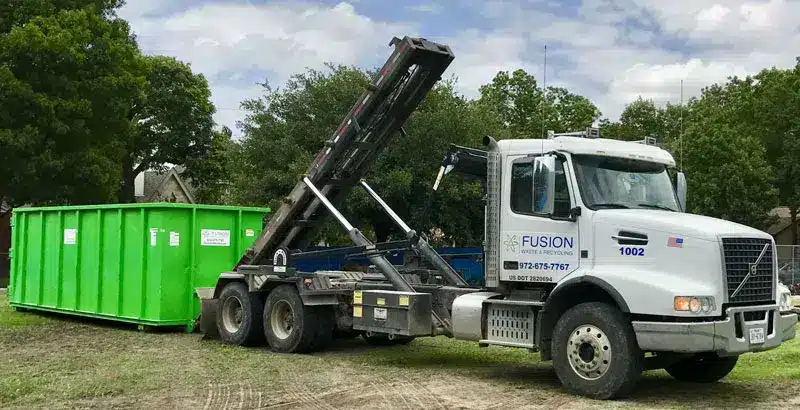
Evaluating your waste volume before ordering a container prevents the common mistake of renting the wrong size. Categorize the materials you plan to dispose of, paying close attention to heavy items like concrete or bulky furniture, then discuss your specific needs with your provider so they can recommend the right container. Some projects, such as mid-sized commercial cleanouts, call for a 20-yard dumpster, while larger-scale projects require something a little more heavy-duty.
Load the Dumpster Strategically
An unbalanced load poses a real safety risk during transport, so weight distribution matters more than most renters realize. Start by placing the heaviest items evenly across the container’s bottom, then line flatter items along the sides to create a perimeter that helps hold loose debris in place. Then, fill the center with lighter, irregular materials once the perimeter is set.
Break Down and Compact Waste
Bulky items with empty air pockets waste a surprising amount of space. Flatten all cardboard boxes completely before tossing them in, and dismantle wooden furniture or large fixtures where possible. Every cubic yard you reclaim through compaction is space you are already paying for, so the effort pays off directly.
Follow Weight Limit Guidelines
Each container size carries a specific weight allowance based on transportation safety standards. Heavy materials like roofing shingles, dirt, and concrete add up quickly in tonnage, even when they seem to barely fill the container. Rainwater absorbed by porous materials like wood and drywall can also unexpectedly push a load over the limit, but covering the dumpster during heavy rain is a simple way to manage that risk.
Keep Waste Within the Fill Line
Debris loaded above the fill line creates hazardous conditions for the driver and other motorists. Items sticking out over the top can dislodge during transport, leading to accidents and potential liability for your organization. If your project generates more waste than anticipated, scheduling an additional pickup is the safer and more responsible choice.
Communicate With the Rental Company
Open communication with your provider prevents most problems before they start. If you come across unexpected materials during your project, call the company to confirm whether they are acceptable. Mention any logistical challenges at the delivery site, such as narrow access roads or uneven terrain. This collaborative approach lets providers adjust their service plans to meet your specific requirements, which makes everything go much smoother.
Dumpster Rental Don'ts: Critical Mistakes to Avoid
Certain actions during a dumpster rental can trigger serious financial penalties and legal complications. Ignoring established guidelines often results in contaminated loads, delayed pickups, and environmental harm. By recognizing these pitfalls early, you’re taking the most straightforward way to protect your project and your organization.
Do Not Dispose of Hazardous Materials
Hazardous waste is prohibited in standard roll-off containers without exception. Wet paint, motor oil, pesticides, asbestos, and harsh chemical solvents all fall into this category. These substances require specialized handling at certified facilities to prevent ecological damage. Mixing any of them with general waste contaminates the entire load and results in substantial fines.
Avoid Overloading the Dumpster
Drivers cannot legally or safely transport an overloaded container on public roadways. This means that if you load a container above the fill line or go over the maximum weight limit, the hauling company will reject the pickup. The excess material must be removed before the dumpster can be serviced, which causes project delays and additional trip charges.
Do Not Mix Restricted Waste Types
Many municipalities offer lower rates for dumpsters containing a single recyclable material type, such as clean concrete or yard waste. Adding general trash to those loads constitutes contamination. The receiving facility will either reject the load outright, or the provider will charge significant sorting fees to process the mixed materials.
Avoid Illegal Dumping Practices
Placing waste in a dumpster rented by another business or individual without permission is illegal dumping. The financial burden of disposal shifts onto the renter, and the practice carries legal consequences. Secure your commercial dumpsters to prevent unauthorized use, and always manage your own waste through legitimate channels.
Do Not Ignore Local Requirements
Failing to obtain necessary permits can stop your project immediately. Placing a dumpster on a public street, sidewalk, or alleyway requires an official permit in most cities. Local HOAs or property management boards may also enforce rules on the placement and duration of temporary containers on the property.
What You Can Throw in a Rental Dumpster
Standard dumpsters accommodate a wide array of non-hazardous materials generated from commercial operations, renovations, and property cleanouts. Fortunately, modern disposal facilities are well-equipped to handle these common waste streams safely and efficiently.
Unlike standard recycling companies, Fusion Waste & Recycling assists each client with their individual needs and goals, step-by-step. Our team provides comprehensive solid waste collection programs built around the specific needs of businesses, school districts, and multi-family housing communities in the area.
Household Waste
General non-hazardous trash, including old clothing, plastic toys, non-recyclable packaging, and worn-out rugs, is entirely acceptable. Cardboard and paper are technically permitted as well, though we strongly encourage diverting those commodities through a dedicated recycling program to support your organization's landfill diversion goals.
Furniture and Bulky Items
Wooden tables, chairs, dressers, and metal filing cabinets can all go into a roll-off container. Mattresses and upholstered furniture are generally allowed, though some local facilities charge additional handling fees for those items because of their bulky nature and mixed materials.
Construction and Renovation Debris
Materials from remodeling projects, such as drywall, untreated lumber, siding, and flooring, are safe for dumpster disposal. Heavy debris like brick, concrete, and stone is also permitted, but the weight accumulates fast with those materials. You’ll want to closely monitor the load to stay within the container's weight limit.
Yard Waste
Organic debris from landscaping projects, including branches, leaves, grass clippings, and brush, is widely accepted. Many facilities process this organic material into mulch, making it a strong candidate for landfill diversion. Check local guidelines first, as some areas restrict mixing large volumes of yard waste with general construction debris.
Light Demolition Materials
Old cabinetry, interior doors, trim work, and outdated plumbing fixtures like sinks and bathtubs can go into the dumpster. These items tend to take up a lot of space, so breaking them down or stacking them against the walls of the container helps maximize available capacity.
What You Can't Throw in a Dumpster
Strict bans on certain materials exist to protect the environment and ensure public safety. Disposing of prohibited items in a standard dumpster violates federal law and poses real risks to sanitation workers and local waterways.
Fusion Waste & Recycling does not handle hazardous waste, but we are committed to educating our clients on proper disposal methods. If you’re unsure whether we can take a specific type of waste, get in touch with our team.
Hazardous Waste
Any product containing toxic chemicals, heavy metals, or corrosive properties is banned. Wet latex or oil-based paint, lacquers, motor oil, antifreeze, pesticides, and industrial solvents all belong in this category. These materials must go to designated household hazardous waste collection centers, not a roll-off container.
Electronics
Electronic waste, such as televisions, computer monitors, printers, or most other devices, contains heavy metals like lead and mercury. Many states have enacted legislation prohibiting e-waste from entering standard landfills. Specialized recycling recovers valuable metals from these devices and prevents toxic leakage into the surrounding environment.
Tires and Automotive Materials
Tires cause significant problems in landfills by trapping gases and working their way to the surface, which compromises the landfill's structural integrity. Car batteries contain lead and sulfuric acid, making them highly dangerous. Auto parts stores and specialized recycling facilities are the correct destinations for both.
Appliances With Refrigerants
Refrigerators, freezers, and air conditioning units contain refrigerants that deplete the ozone layer if released into the atmosphere. The EPA requires that these chemicals be safely evacuated by a certified technician before the appliance can be disposed of or recycled.
Explosive and Pressurized Items
Propane tanks, oxygen tanks, and aerosol cans that are not completely empty pose a severe explosion risk when subjected to the pressure of a waste compaction vehicle. Hot water heaters are also restricted in many areas, as gases can build up inside the tank after it enters a landfill.
Smart Waste Sorting and Disposal Strategies
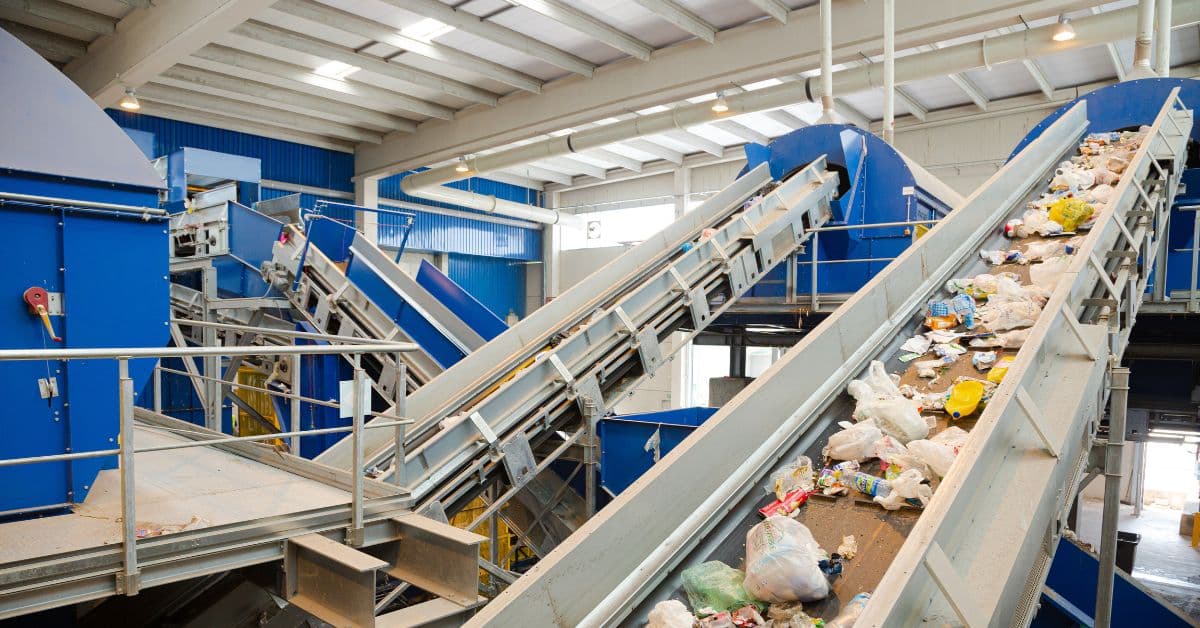
Sorting waste before loading your dumpster improves efficiency and environmental outcomes. A proactive approach reduces the volume sent to the landfill and often lowers the overall cost of the project. Separating materials at the source helps businesses achieve higher diversion rates and supports a circular economy over the long term.
Separate Recyclables
Identify recyclable commodities, such as cardboard, clean plastics, scrap metal, and glass, before they enter the waste stream. You can set up dedicated bins for these materials on your job site, which keeps them out of the roll-off dumpster and ensures they are processed correctly at the appropriate facility.
Donate Usable Items
Old furniture, functional appliances, and surplus building materials may still have useful life left in them. Donating those items to local charities or community organizations reduces the total tonnage you need to dispose of, which directly supports your local community.
Create Waste Categories Before Loading
Designate specific staging areas for different types of waste as the project moves forward. Group heavy masonry together, pile wood and drywall in a separate section, and keep light trash apart from both. That organization makes the bottom-up loading strategy far easier to execute and maintains safe weight distribution throughout the container.
Use Local Disposal Facilities for Restricted Items
Research local drop-off centers for materials that cannot go into the dumpster. Many municipalities host regular collection events for hazardous waste, paint, and electronics. Partnering with specialized recyclers for items like e-waste or confidential document shredding keeps your organization fully compliant with environmental regulations.
Contact Fusion Waste Today for Reliable Dumpster Rental Services
Navigating waste disposal requires a clear understanding of what materials are acceptable and how to load a container safely. Planning ahead, keeping prohibited materials out of the bin, and sorting waste before loading all contribute to a compliant and efficient cleanup project. Proper waste management protects the local environment, and it keeps you protected against the costly penalties that come with overloading or contamination.
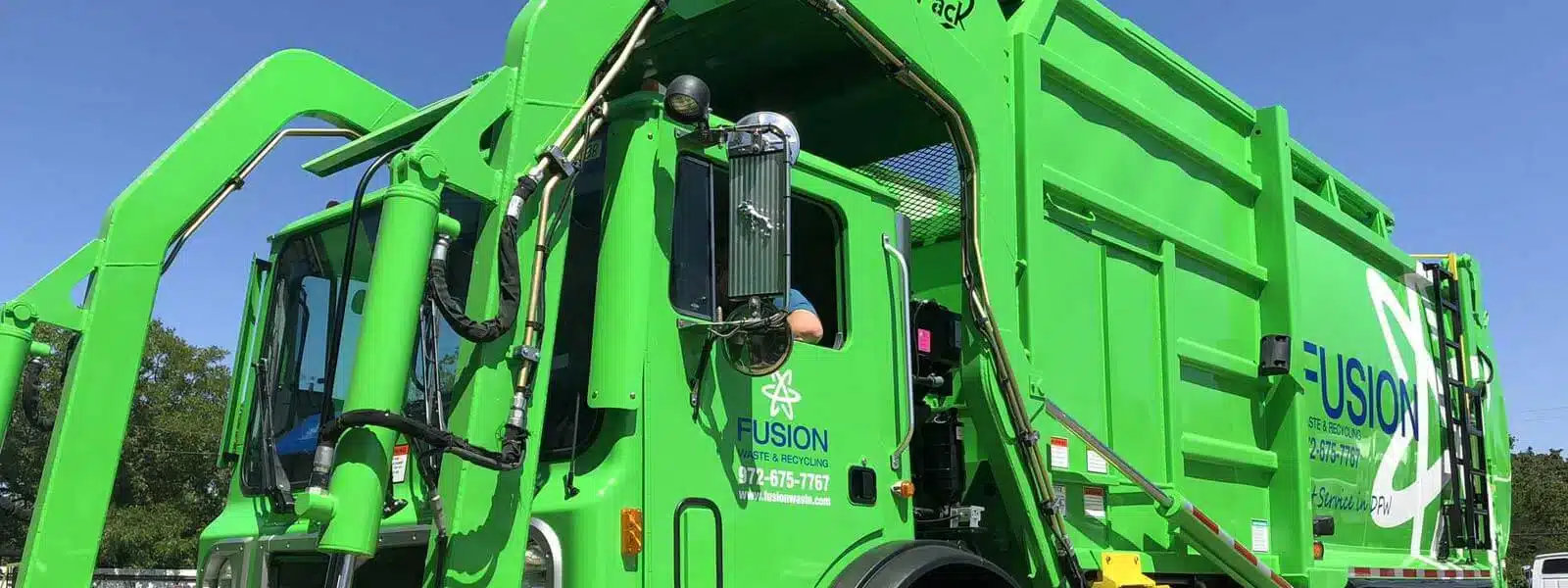
At Fusion Waste & Recycling, we’re proud to provide personalized, step-by-step solutions for commercial entities, school districts, and multi-family housing communities in our area. Whether you need standard front-load service or something more advanced for a major renovation, our team is ready to help. Contact us today to build a custom waste management plan that actually works for you.
Frequently Asked Questions (FAQs)
Placing prohibited items in a dumpster results in a contaminated load, which triggers significant financial penalties and sorting fees. The hauling company may refuse to service the container entirely, causing project delays. Severe violations involving hazardous waste can also lead to legal action.
A dumpster can only be filled to the designated fill line marked on the inside of the container. Loading debris above that line creates safety hazards during transport, and drivers are legally prohibited from hauling overloaded bins on public roads.
Rental periods vary by provider, but most companies offer standard windows of 7 to 14 days. You can typically request an early pickup once the dumpster is full, though the base rental fee usually stays the same regardless of when the container is collected.
A permit is generally required if the dumpster will be placed on public property, such as a street, sidewalk, or public alleyway. If the container fits entirely on your private property or commercial lot, a permit is typically not required, though HOA rules may still apply.
Items requiring special disposal include wet paint, motor oil, pesticides, tires, car batteries, electronics (e-waste), and appliances containing refrigerants. These materials must go to certified hazardous waste facilities or specialized recycling centers to prevent environmental contamination.
Staying within the weight limits, keeping debris below the fill line, and leaving all prohibited materials out of the bin are the most reliable ways to avoid extra charges. Clear communication with your provider about the types of waste you are disposing of also prevents unexpected contamination fees.
Dumpster rental costs vary based on container size, rental duration, location, and the type of debris being disposed of. On average, a standard roll-off dumpster rental ranges from $300 to $800 per week, plus any applicable overage fees for exceeding weight limits.
References
- Lift Waste. “What Can You Put in a Dumpster? A Guide to Proper Disposal.” Lift Waste, 21 Jan. 2025.
- U.S. Environmental Protection Agency. “Summary of the Resource Conservation and Recovery Act.” EPA.gov.
- Angi. “How Much Does It Cost To Rent A Dumpster? [2026 Data].” Angi.com, 6 Apr. 2026.
- U.S. Environmental Protection Agency. “Appliance Disposal.” EPA.gov, 18 Jul. 2025